A Premium Buyer's Guide
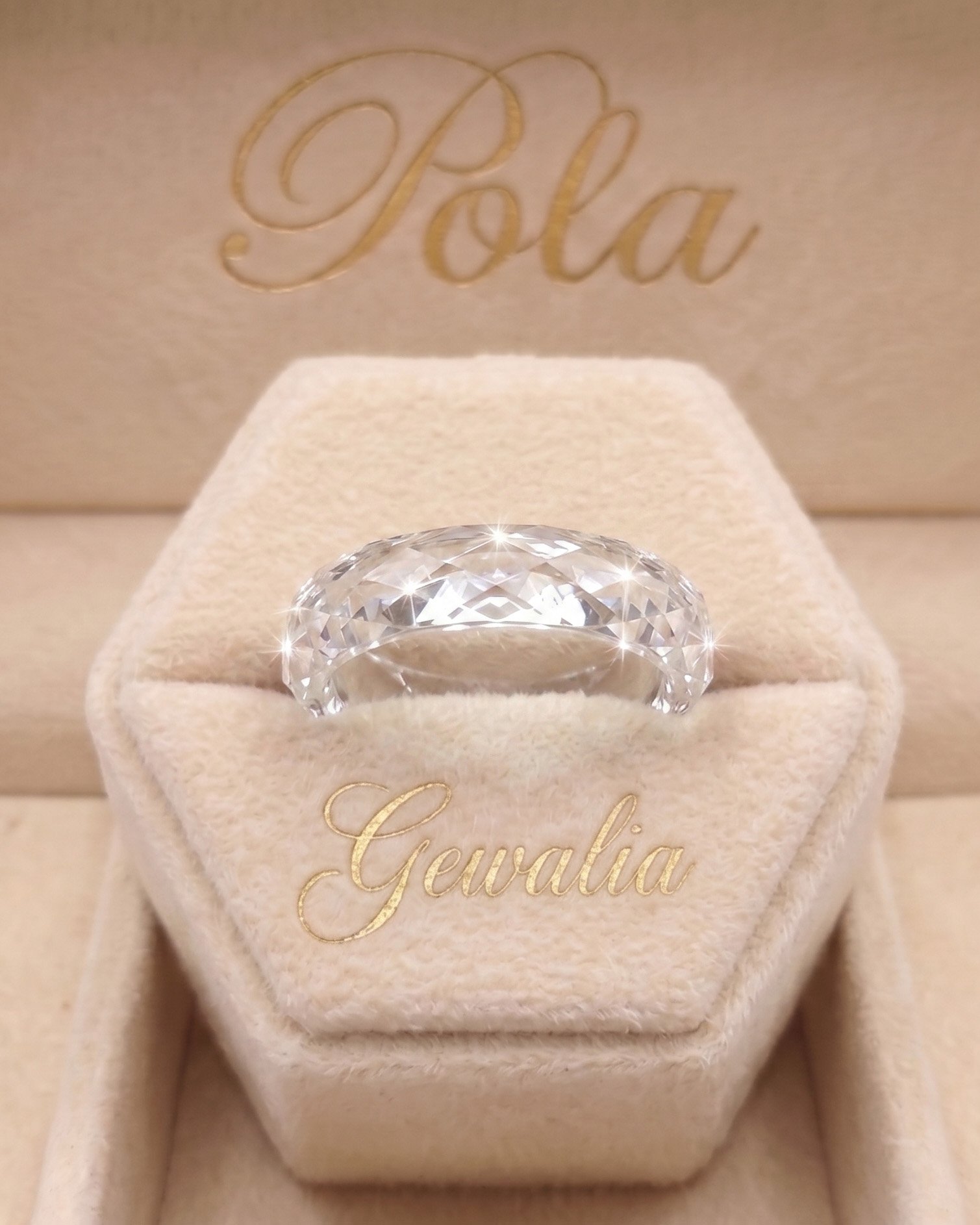
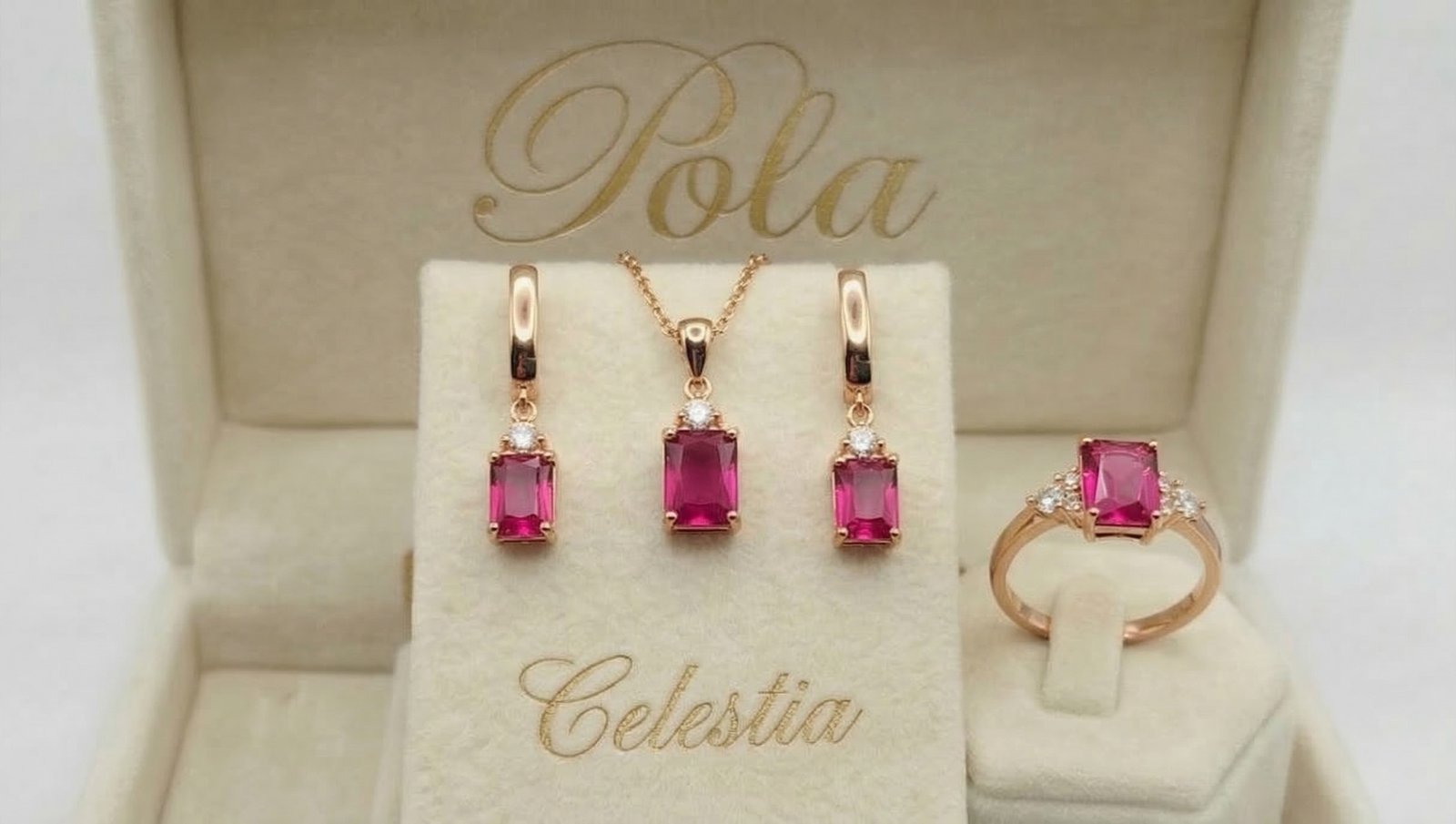
Moissanite bends light more than twice as strongly as diamond — the effect master jewelers call its "fire." Before you choose your emerald, ruby, or moissanite ring, discover the science behind true brilliance.
Gemological data, not opinions. This is how the difference looks on paper — the rest comes down to what matters to you: hardness or ethical brilliance.
Moissanite was discovered in 1893 in fragments of the Canyon Diablo meteorite. Today, luxury jewelry-grade stones are grown in a laboratory, ensuring conflict-free origin alongside our sapphire, emerald, and ruby offerings.
Cut
A round brilliant cut brings out moissanite's dispersion best. Cushion and oval cuts give a calmer, more subdued brilliance often favored in our luxury silver jewelry.
Size
Moissanite is lighter by volume. When choosing a diamond ring alternative, go by the stone's diameter in millimeters to ensure perfect proportions.
Setting
Rose and yellow gold bring out warmth; platinum or silver gives a cooler effect. The setting shapes the character of your ruby, emerald, or moissanite center stone.
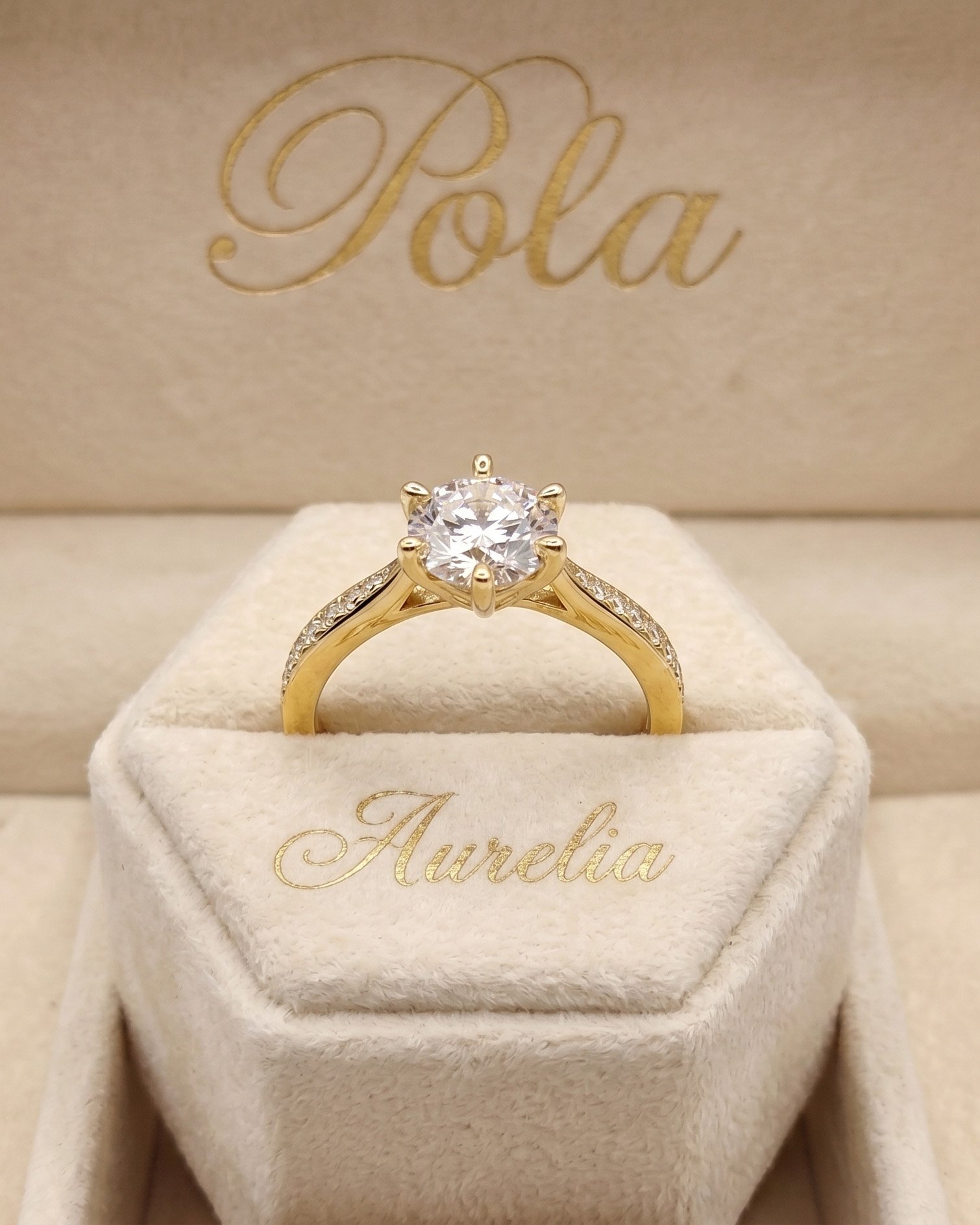
The full collection of moissanite rings, emerald jewelry, and more is available at Jewelry Pola.
Everything you need to know before choosing a moissanite stone or ring.
Moissanite is a gemstone composed of silicon carbide (SiC), first discovered in 1893 by French chemist Henri Moissan in fragments of the Canyon Diablo meteorite in Arizona. Initially mistaken for diamond due to its extraordinary brilliance, it was later identified as an entirely distinct mineral species.
Natural moissanite is exceptionally rare — virtually all moissanite used in jewelry today is grown in controlled laboratory conditions using thermal growth processes. This makes it both a fully traceable and an inherently conflict-free stone.
As a gemstone, moissanite outperforms diamond in two critical optical properties:
With a hardness of 9.25 on the Mohs scale (diamond is 10), moissanite is the second hardest gemstone used in fine jewelry, making it highly resistant to everyday scratching and ideal for rings worn continuously. It also withstands high heat, which means it is safe during jewelry repair and resizing.
Because it is grown in a laboratory rather than mined, moissanite is available at a fraction of the price of a natural diamond of equivalent size and visual quality — typically 10–20% of the cost — while offering superior optical performance.
Diamond is the hardest known mineral with a rating of 10 on the Mohs scale, but moissanite is very close with a hardness of 9.25, making it highly resistant to scratching and durable for everyday wear — including in an engagement ring you plan to wear for decades.
Yes. Moissanite has a higher light dispersion (0.104) compared to diamond (0.044) and a higher refractive index (2.65–2.69 vs 2.42). This gives it more "fire" — the colorful, rainbow sparkle you see when light hits the stone. Some buyers prefer the more understated brilliance of a diamond; others love moissanite's dramatic flash.
Moissanite was originally discovered in 1893 in fragments of the Canyon Diablo meteorite — for years it was mistaken for diamond, until it was identified as a separate mineral, silicon carbide. Today, all jewelry-grade moissanite is grown in a laboratory under controlled conditions, making it an ethical and fully conflict-free alternative to mined stones.
A round brilliant cut brings out moissanite's dispersion best — that's where the signature, colorful sparkle comes from. Cushion and oval cuts give a calmer, more subdued brilliance. For those who find moissanite's fire too intense in very large stones, a step cut (like an emerald or Asscher) produces a more elegant, glassy look.